
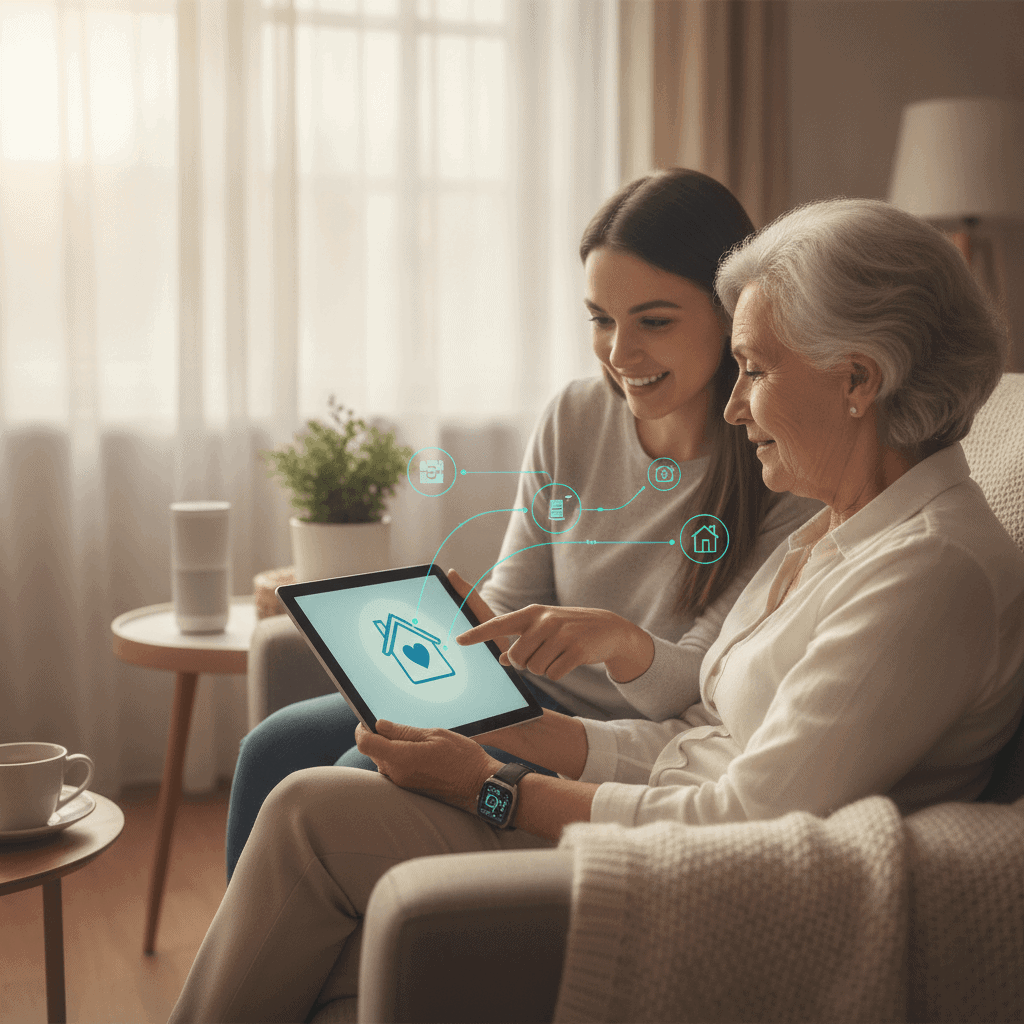
As our loved ones age, their desire for independence often remains strong. They want to live in their own homes for as long as possible. This wish is understandable and truly important for their well-being. But for family members, this independence can sometimes come with worries about their safety and health.
I know this feeling well. We all want peace of mind knowing our elderly family members are secure. This is where modern home monitoring solutions come into play. These systems offer a way to keep an eye on things without being intrusive.
Today, we have many tools that can help. They range from simple alert buttons to complex smart home setups. My goal is to guide you through these options so you can find the best fit for your unique situation. This is your essential guide to elderly home monitoring.
Understanding the Need for Elderly Home Monitoring
It is natural for people to wish to remain in their familiar surroundings. Home is where memories are, where routines are established, and where comfort lives. As people get older, their physical and cognitive abilities can change. This can make everyday tasks a bit harder or create new safety concerns.
Falling is a major risk for seniors. Accidents can happen quickly and a person might not be able to call for help. Other concerns include forgetting to turn off the stove, missing medication doses, or wandering if they have memory issues. My experience has shown me that families often struggle to find the right balance between giving autonomy and providing necessary care.
Effective monitoring is not about taking away freedom. Instead, it is about supporting independence with a layer of safety. It allows seniors to continue living full lives at home while reassuring their families. It makes sure that help is available when it is truly needed.
Maintaining Dignity and Autonomy
Many seniors fear losing their independence. They do not want to feel like a burden or like their family is constantly watching them. This is why careful planning for elderly home monitoring is very important. We need to choose systems that are discreet and easy to use.
When selecting a monitoring solution, always involve the senior in the conversation. Make it clear that these tools are there to empower them. They help them stay safe in their own home longer. It is about adding a safety net, not a cage. This approach helps maintain their dignity and promotes a sense of control over their own lives.
Types of Monitoring Systems Available
The world of elderly home monitoring has grown quite a lot. There are many different systems out there, each with its own benefits. Some focus on quick alerts, while others provide a more complete overview of daily activity. I group these into two main categories: traditional alert systems and smart home sensor-based solutions.
Understanding these categories helps you decide what level of monitoring is best. Some families need constant updates. Other families just want a way for their loved one to get help in an emergency. It all depends on the individual’s needs and the family’s concerns.
Traditional Alert Systems
These are what most people think of when they hear “elderly monitoring.” They include personal emergency response systems or PERS. These usually involve a wearable device, like a pendant or bracelet, with a button. When pressed, the button connects the wearer to a monitoring center or designated contacts.
Many traditional systems now have automatic fall detection. This feature uses sensors to sense a fall and trigger an alert even if the person cannot press the button. Some units also offer GPS tracking for seniors who are active outside the home. These systems are simple and effective for emergency situations.
Smart Home and Sensor-Based Solutions
This is where technology really starts to shine for home monitoring. Smart home systems use a network of sensors placed around the house. They monitor activity and can detect unusual patterns. We are talking about motion sensors in hallways, contact sensors on doors and windows, and even smart mats under beds.
These systems can track if someone gets out of bed at their usual time or if they spend too long in the bathroom. They can also monitor appliances. For example, a smart stove monitor can alert you if the burner is left on too long. These solutions are generally passive, meaning the senior does not need to actively engage with them. This makes them ideal for individuals who might forget or be unable to use an alert button. They offer a comprehensive look at a senior’s well-being without requiring cameras, which many people prefer for privacy.
Key Features to Look for in a Monitoring System
When I advise families on elderly home monitoring, I always emphasize looking for certain core features. These features ensure the system is effective and reliable. The top priorities are reliability and ease of use. A system that is hard to operate or frequently malfunctions just creates more stress.
Another important factor is connectivity. How does the system communicate alerts? Is it through Wi-Fi, cellular, or a landline? You also want to consider how scalable and customizable the system is. Life changes. So the monitoring solution should be able to adapt over time.
Customizing for Individual Needs
Every senior is different. What works for one person may not work for another. Some may have specific health conditions, such as diabetes or heart issues, that require particular types of monitoring. Others might have mild memory loss or mobility challenges. I always recommend tailoring the system to fit these unique circumstances.
Think about their daily routine. Do they spend a lot of time in a particular room? Are there times of day when they are more active or less active? A good monitoring system should complement their lifestyle. It should fill in safety gaps without disrupting their comfortable habits. Some systems offer modular components, so you can start with the basics and add more sensors as needed.
Installing and Setting Up Your Monitoring System
Once you have chosen a system, the next step is installation. This part can seem daunting but many modern systems are designed for easy setup. Some solutions allow for a do-it-yourself installation. They come with clear instructions and user-friendly interfaces. This is often a good option for those who are comfortable with basic technology.
However, for more complex systems or if you are not tech-savvy, professional installation is always a wise choice. Technicians can ensure all sensors are correctly placed and configured. They can also help test the system thoroughly and teach everyone how to use it. This includes the senior, family members, and any caregivers who might be involved.
Integrating Technology Seamlessly
The best monitoring systems are those that blend into the home environment. They should not feel like an unwelcome intrusion. For motion sensors or door sensors, choose models that are small and inconspicuous. Place them in areas where they will not be noticed much but will still be effective.
My advice is to introduce the technology gradually if possible. Start with one or two key features and then expand as everyone gets used to it. The goal is for the technology to feel like a natural part of the home. It should enhance safety and comfort. This approach helps reduce any potential resistance from the senior. This ensures that the system is used properly and consistently.
The Role of AI and Advanced Analytics in Home Monitoring
Modern elderly home monitoring systems are no longer just about basic alerts. Many now incorporate artificial intelligence and advanced analytics. These technologies allow the systems to learn a senior’s routines and behaviors. They can establish a baseline of normal activity over time.
This learning capability is a game-changer. It helps the system identify deviations from the norm. For example, if a senior usually wakes up at 7 AM but on a particular day they are still in bed at 9 AM, the system can flag this. This predictive ability means you are not just reacting to emergencies. You are getting insights that can prevent them. These systems learn to recognize false alarms, so family members get fewer unnecessary notifications.
Beyond Simple Alerts
The power of advanced analytics extends far beyond just fall detection or inactivity alerts. These systems can provide a bigger picture of a senior’s health and well-being. They can track sleep patterns, changes in mobility, and how often a person leaves their home.
Over time, this data can reveal subtle changes that might indicate a developing health issue. For instance, a gradual increase in nighttime bathroom trips could suggest a urinary tract infection. Such insights empower families and healthcare providers to take preventative action. This helps address problems before they become serious. This proactive care model can significantly improve the quality of life for seniors and reduce the need for more intensive interventions.
Choosing the Right Provider and Support
Selecting the right monitoring system is only part of the equation. Choosing a reliable provider with excellent customer support is equally important. I always tell people to research different companies. Look at their track record, read customer reviews, and understand their service agreements. You need a provider that offers 24/7 monitoring and quick response times.
Check what kind of technical support is available. Will they help with troubleshooting over the phone? Do they offer home visits if needed? Understand all the fees involved, including monthly monitoring costs, equipment costs, and any installation charges. Exploring options available in your local area can also be beneficial, as discussed on Atlanta Real Estate Forum, which often highlights community-specific resources for senior home safety.
Conclusion and Moving Forward
As I have shown you, elderly home monitoring is a powerful tool. It offers families a way to ensure the safety and well-being of their aging loved ones. At the same time it respects their desire for independence. We have explored the various needs that monitoring addresses, from preventing falls to tracking daily routines. I have detailed the different types of systems available, ranging from simple emergency buttons to advanced smart home solutions powered by AI.
We discussed key features like reliability and customization. We also covered the importance of seamless integration and choosing a supportive provider. My experience tells me that with the right system in place, seniors can continue to live comfortably and safely in their own homes for many years. This peace of mind is invaluable for everyone involved.
I encourage you to consider these options carefully. Think about the specific needs of your family member and what type of support would best suit their lifestyle. Research the various systems and providers. Take the first step today to explore how modern elderly home monitoring can bring greater safety and peace of mind to your loved ones and your family.
